STATION 4 OF 5
The Quay.
Ports, terminals and the infrastructure built to turn a ship around as fast as possible.
A port is a machine for turning ships around, and the quay is where that machine touches the water. These guides explain why ports are where they are, how a lock trades one water level for another, the choreography between crane and carrier, and why some cargo visits a port it never leaves.
READ AT THIS STATION
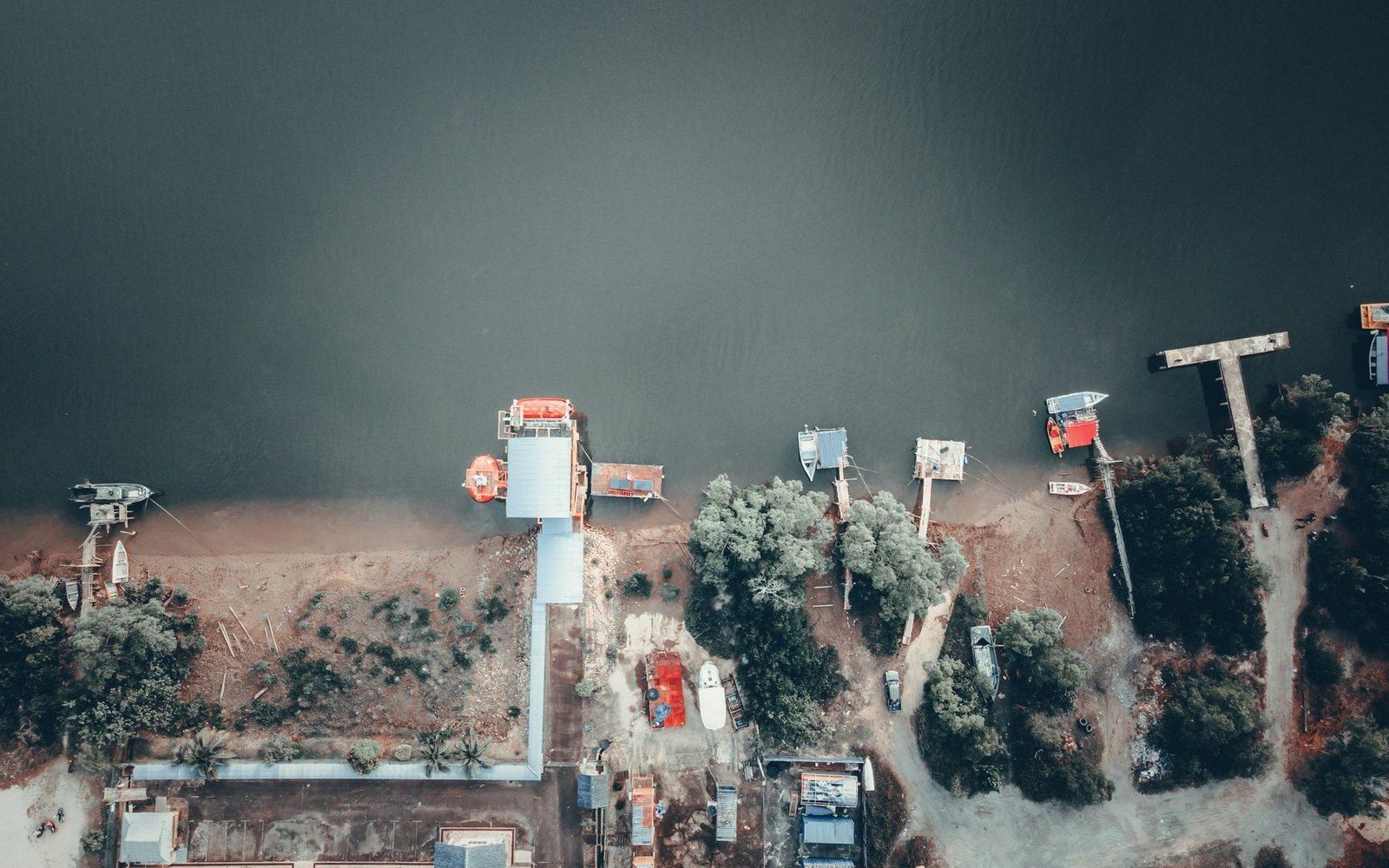
Deep Water, Flat Land and a River Mouth
An argument for why the geography of major ports is rarely accidental — the combination of natural shelter, draft, hinterland access and industrial history that fixes a port's location.
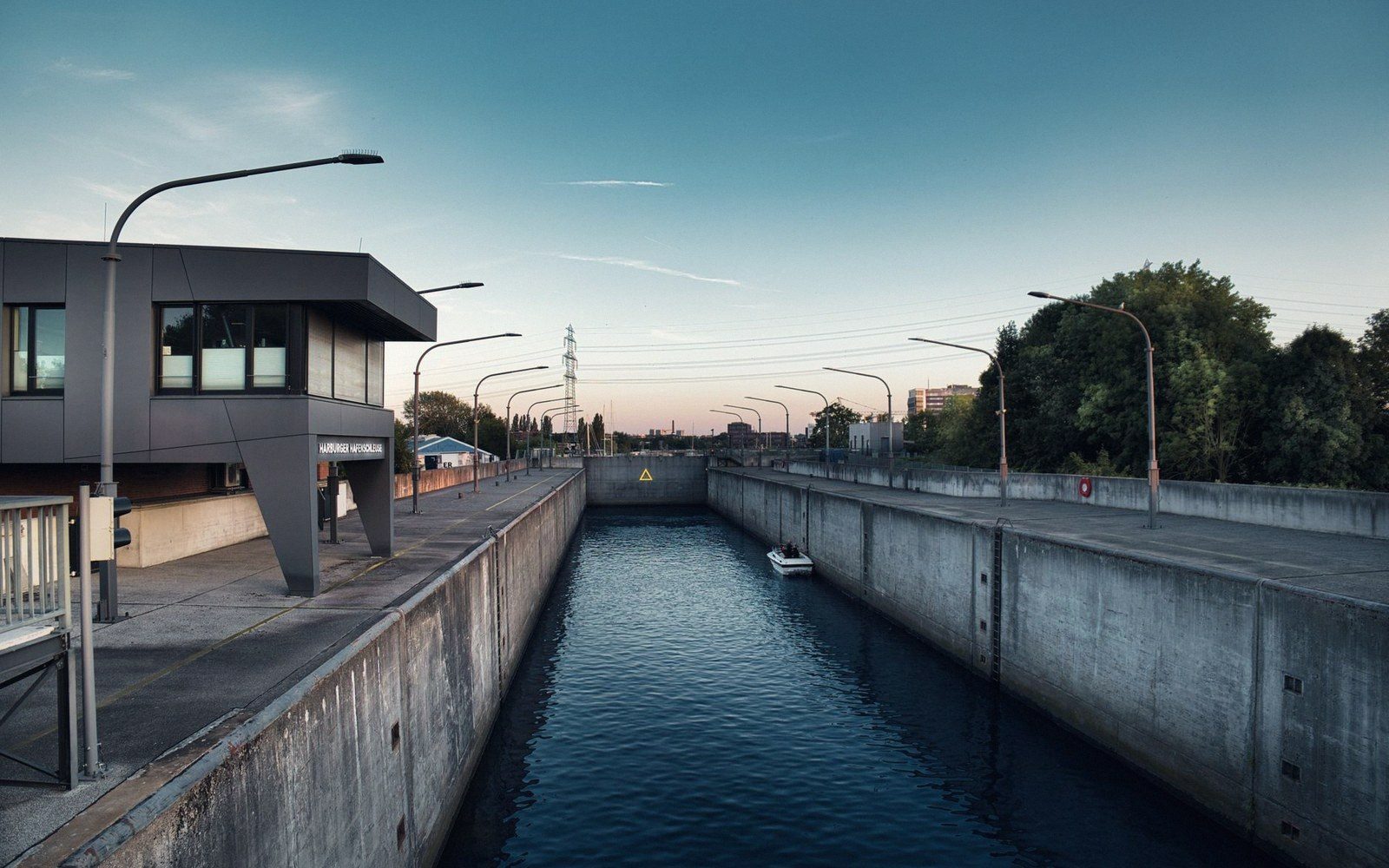
The Chamber Between Tides
A walk-through of a tidal lock — how the gates seal, how the water level equalises, what the ship does while it waits, and why the whole sequence takes the time it does.
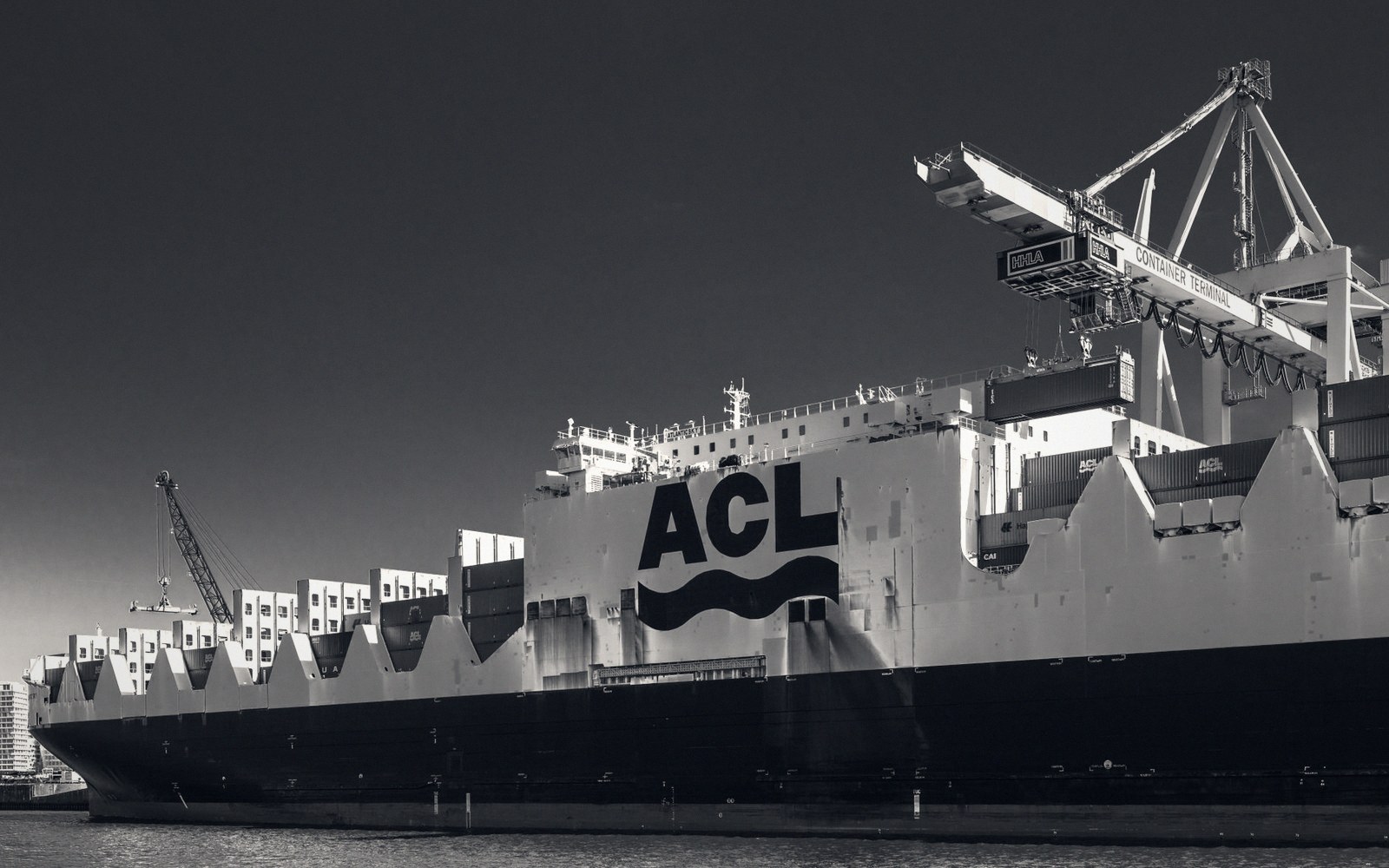
Twenty Moves an Hour
A walk-through of a container terminal's internal choreography — from ship's cell guide to quay crane spreader to straddle carrier to stack — and what sets the pace of the whole operation.
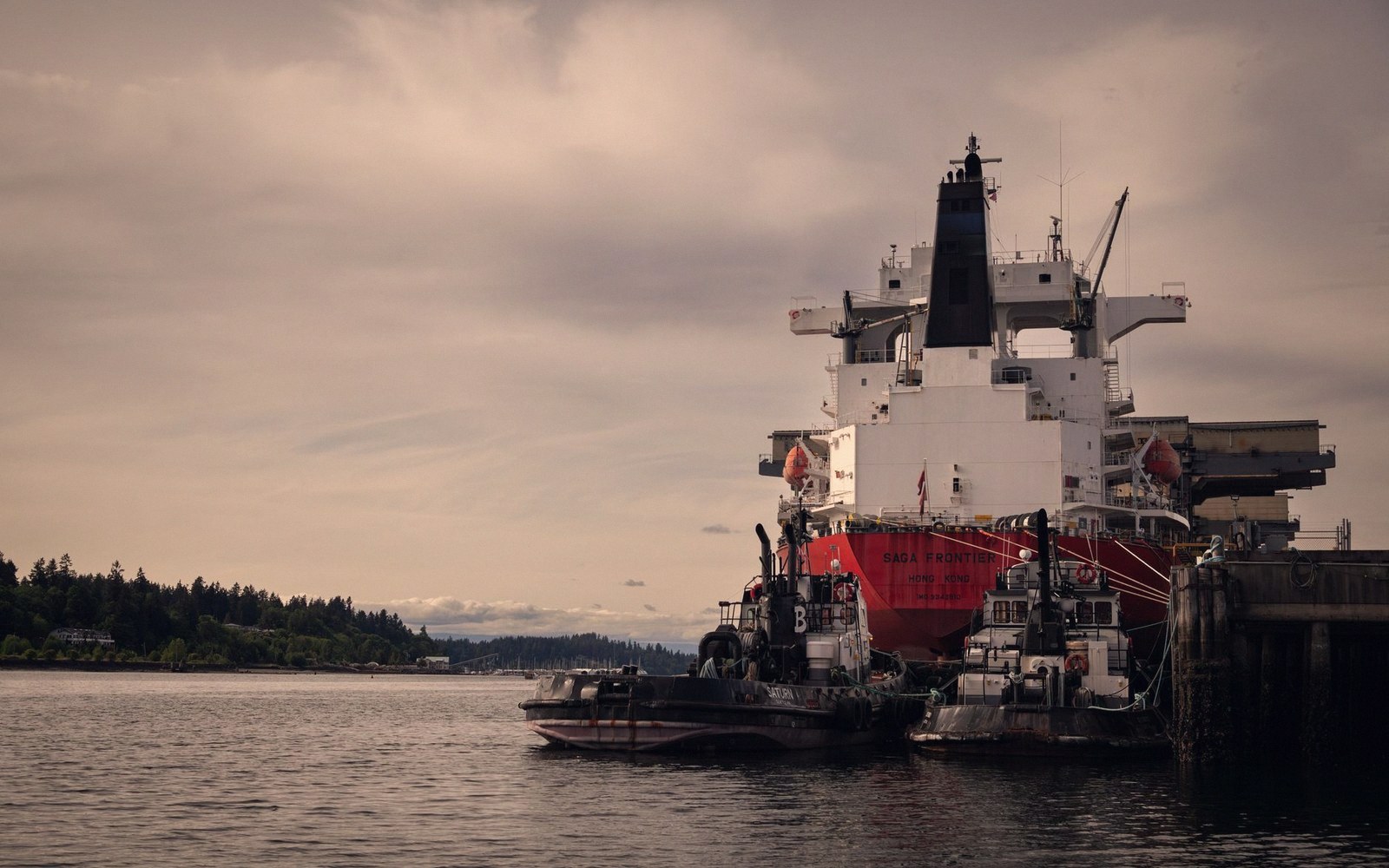
Not Enough Room to Turn, Until There Is
An explainer of the turning basin — how its diameter is calculated relative to vessel length, what tugs do to assist the manoeuvre, and why the geometry changes with every new generation of…
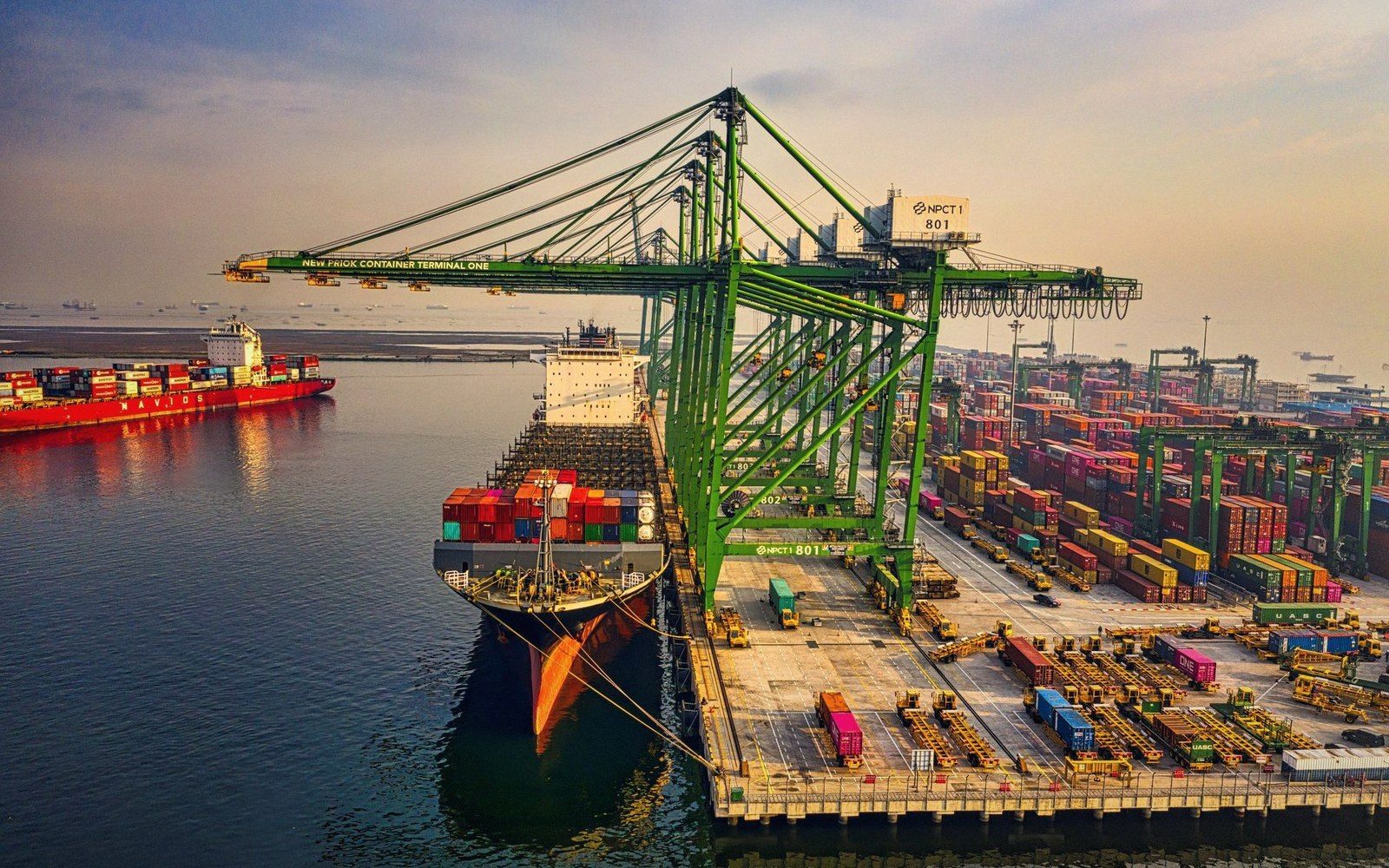
The Port That Most Cargo Never Leaves
An explainer of transshipment — why cargo travels to a hub before being reloaded onto a smaller feeder vessel, and what makes certain ports anchor those hub networks.