What the Lines Actually Say
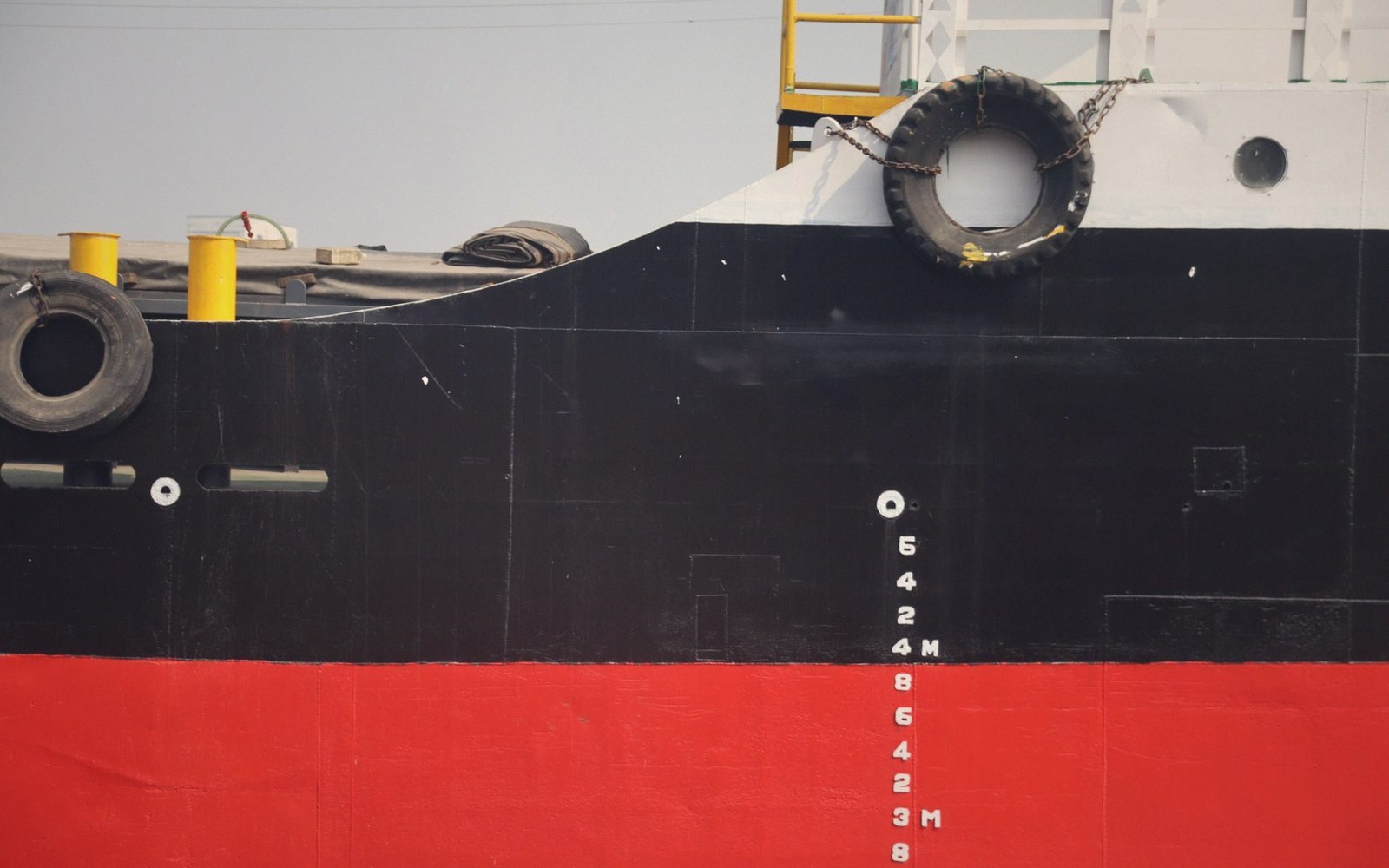
Look at a loaded vessel from a pier and you will usually find it, just below the waterline or close to it: a circle bisected by a horizontal line, flanked by a ladder of short horizontal marks, each labelled with a short letter code. This is the load line, commonly called the Plimsoll mark after the British politician Samuel Plimsoll, whose campaigning in the 1870s pushed the British Parliament to require it. The international treaty that standardised it globally is the Load Lines Convention, adopted under the International Maritime Organization's predecessor body in 1966, replacing the 1930 convention and still in force.
The circle itself marks the maximum depth in salt water during summer in a temperate zone — the baseline condition. The ladder of lines to one side extends the logic. Fresh water is less dense than salt water, so a ship floats lower in it; the mark labelled FW sits higher up the hull than the salt-water line, allowing the vessel to load slightly more in fresh water and still arrive at its salt-water limit once it reaches the sea. Tropical salt water is warmer and therefore marginally less dense than temperate salt water, so a tropical load line — T — sits fractionally higher than the summer mark. Proceeding the other way, Winter North Atlantic carries its own mark, WNA, the most conservative of all, accounting for heavy seas and winter weather.
The two letters stamped inside or beside the circle identify the classification society that assigned the freeboard — the measurement of hull above the waterline that the lines enforce. Lloyd's Register, Bureau Veritas, DNV and their peers calculate this figure from the vessel's length, hull form, hatch and deck fittings, and the structural standards it was built to. Their authority to do so flows from the flag state, which delegates the technical survey work but retains legal responsibility for the vessel's certification.
The practical meaning is blunt: if the relevant line is submerged when the ship is at the berth, it is overloaded and cannot legally sail. Port state control officers — inspectors operating under agreements such as the Paris MOU — check it as a matter of routine. A finger pointing at a waterline tells them more about the ship's condition than almost any document.
For anyone watching from a dock wall, the mark is a rare moment of legibility in an otherwise opaque system. The ship carries its compliance on the outside of its hull, exactly where the water can reach it.