The Contract Has a Clock on It
A seafarer does not hold a permanent post in the way a shore worker does. The employment unit at sea is the contract — a fixed-term engagement, typically between three and nine months depending on rank, flag state requirements, and the company's operating model. Officers of the watch on large vessels commonly sign contracts of four to five months; ratings in the engine room or deck department may work six to eight. The variance reflects both the scarcity of licensed officers and the legal limits imposed by the Maritime Labour Convention, the international instrument that sets maximum continuous service periods and mandated rest entitlements ashore.
When the contract ends, it ends wherever the ship happens to be. That is not a metaphor. A chief officer may sign off in Tanjung Pelepas, a motorman in Piraeus, an AB — able-bodied seafarer, the standard deck rating — in Baltimore. The shipping company and its crewing agent have arranged, in advance, a flight home, a medical if required, and the paperwork trail that closes one contract and parks the seafarer in a pool of available personnel until the next engagement begins.
The Overlap That Keeps Knowledge Aboard
The logistical problem is not simply moving one person off and another on. The problem is continuity of institutional knowledge. A vessel at sea is a working system with accumulated peculiarities: a valve that needs a half-turn of persuasion, a ballast pump with a known idiosyncrasy, a cargo hold that trims slightly differently from the others. That knowledge cannot be encoded in a manual.
The answer is the handover period — typically two to five days during which the departing officer and the incoming one occupy the same bunk schedule and walk the same rounds together. On a well-run ship, a chief engineer does not leave until the incoming chief has been shown the engine room in every mode: running, manoeuvring, at anchor. The departing officer writes a handover note, but the note is a supplement to direct conversation rather than a substitute for it.
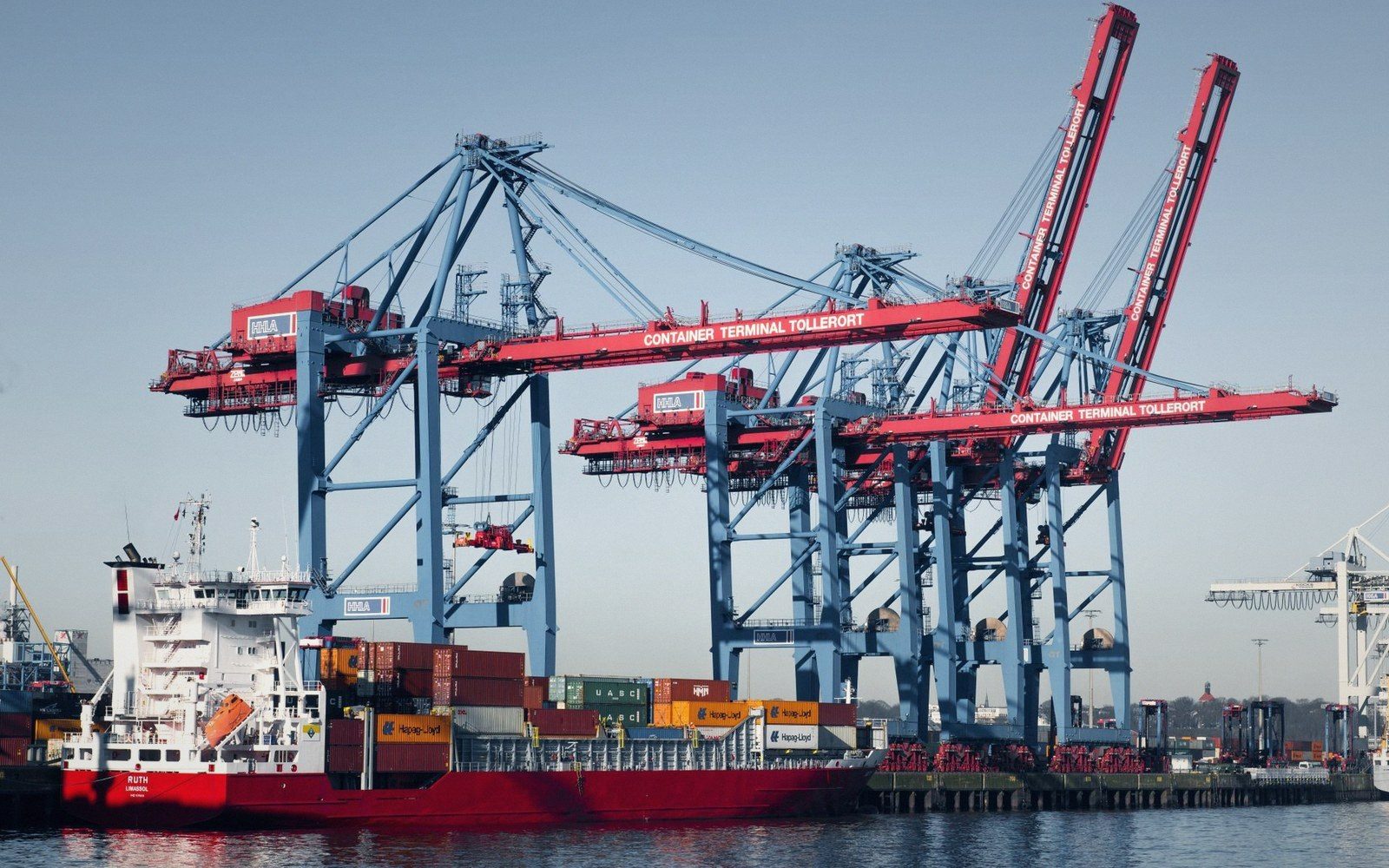
The scheduling of handovers requires precision because the vessel does not stop to accommodate them. Port calls last hours, not days, and the officer arriving may have flown through the night to meet a ship that is already at the berth loading containers for a morning tide. The crewing agent's job is to ensure that flight connections, port agent pick-ups, and visa requirements are solved before the ship arrives, not after.
What the Crewing Agent Actually Does
Crewing agencies occupy a structural position that is easy to underestimate. A large agency — many are headquartered in Manila, Limassol, Hamburg or Mumbai — maintains a roster of hundreds or thousands of seafarers across multiple ranks, nationalities, and certificate types. They match the ship's staffing gap against that roster, confirm that the proposed replacement holds the certificates required by the flag state and by the vessel's own ISM documentation (ISM: the International Safety Management code, the framework that formalises a ship's safety procedures), and arrange travel to whichever port the changeover will happen.
Because flag states regulate minimum certification and because different nationalities dominate different ranks and specialisms — Filipino crew make up the largest single national group in the world fleet; Ukrainian, Indian, and Chinese seafarers are each substantial presences — the agent's work is partly a compliance exercise and partly an act of global logistics. A seafarer may hold a certificate issued in Manila, endorsed for a vessel flying the flag of the Marshall Islands, working for a Greek owner on a German-managed ship. Each layer of that structure has documentary requirements that all have to align before the seafarer sets foot on the gangway.
The Ship as a Continuous Organism
From the vessel's perspective, crew rotation is an overhead absorbed without slowing down. The ship earns on cargo. Port time is already a cost — cranes moving, tugs waiting, berth fees running. Adding a crew change to a port call adds a port agent's car to meet the officer at the airport, a set of forms at the gangway, and an hour of the master's time. It does not add a day.
This matters because it shapes where crew changes happen. They cluster at ports with good international air connections and established networks of port agents who know the paperwork: Singapore, Rotterdam, Houston, Colombo. A ship calling an obscure industrial terminal may have its crew change deferred to the next suitable port, meaning one officer works slightly past their planned departure date and another waits slightly longer in the travel pool.
The system works because every party — owner, manager, agent, flag state, seafarer — accepts the contract as the unit of account. The seafarer is not attached to the ship; the seafarer is attached to an engagement, and when the engagement ends, the ship continues under the care of the person who arrived two days before to learn its small secrets in the time available.