


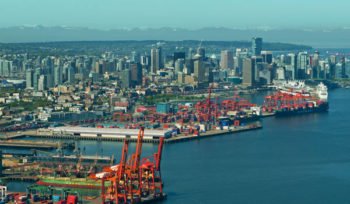
Vancouver Port: The Blooming Giant
The port of Vancouver is the largest port in Canada. It plays a great function to facilitate the Canadian trade
Read More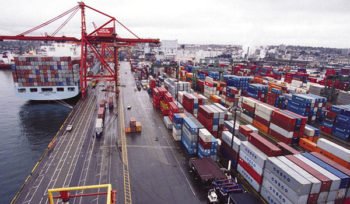
Federal Government And Vancouver Port
The Vancouver port has well collaborated with the federal and international governments of the country.
Read More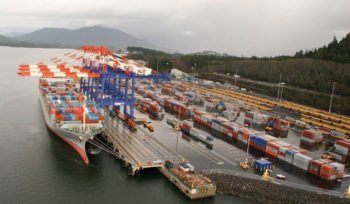
Prince Rupert Port: Explained
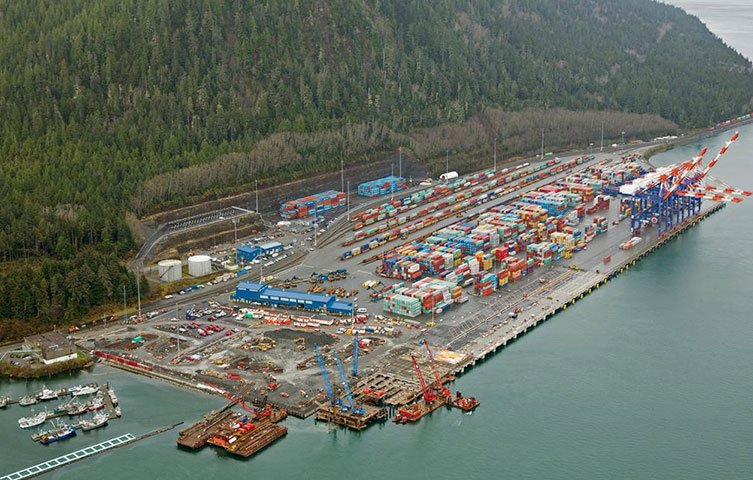
The Prince Rupert port was built upon the completion of a grand trunk pacific railway in the year 1914.
Read MoreCanadian West Coast Ports
The shipping ports navigation is similar to the navigation of the sea. One must be aware of the best seaports according to the requirements of their business.
read moreStreaming Series of 2022/23

Cum4K – new series debuting this June. If you aren’t aware this video series is all about internal ejaculations. Shot in Ultra Definition quality, it focuses on capturing the most intimate moments in intercourse on the most beautiful American adult industry actresses.

Doghouse Digital – enter the world of the finest stuff coming straight from dirty European minds. All the trendy genres of adult’s entertainment in exclusive series of videos!

BBCPie project is the newest interpretation of what true creampie interracial series should look like. Besides its stunning quality of 4K HD it offers only the most famous black and white female actors.

Dancing Bear – footage of some of the craziest parties out there. Watch girls have no limits fun with bunch of male strippers. What could possibly go wrong?!

My Younger Lover is all about neglecting the age difference when it comes to true love. Or lust. Or both? Watch this Adult Time series where mutual satisfaction is achieved, no matter what!

Haze Her – user submitted footage of some crazy hazing rituals done across various US colleges and dorms. Watch girls hazing other newbie girls. All that in mocking sexual ways!

Devils Tgirls features the world’s most beautiful gender girls in explicit action. Watch them enjoy it to the fullest with both men and women in fantasy situation you would love to be part of. Why limit yourself to him or her when you have them!

Gangbang Creampie – are you fan of creampies after one sweaty gangbang where multiple guys handle a single girl? Well, this is the place for you – enjoy the steamiest gangbang episodes where every single guy’s goal is to cream the lucky female insides.

Evil Angel – something to enjoy your free time with. Ever heard about the studio? You probably have and there is perfectly valid reason for that. Evil Angel is the biggest and the most well-known filth studio on our planet!

Bait Bus – proof that guys are desperate enough to do anything for hot girl. Even if it takes turning gay for a moment. Watch this baiting adventure and discover the truth yourself!
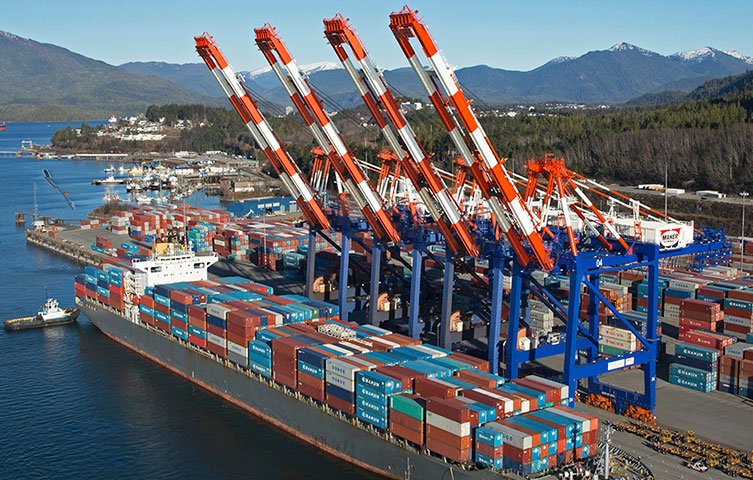
The West Coast Of Canada Ports And Coal Exports
When it comes to Canada’s ports, it’d be evident to say that the port is experiencing a booming growth. Since 2012, the share of Canada’s ports is inevitable and increasing, as most of its US counterparts had declined to enter in the segment. Talking about U.S. west coast segment, the market share is a surge of a fall, from handling an average of 88.4% of shipments to just 80% of them in 2012 was alarming. The figure has fallen further till date, on the other hand, Canada’s west coast shipment container work experienced a boom from 11.6 % to ravishing 14% in just a year. The shift in the percentage points towards the number of jobs as well as the scope of development for those who are seeking a career in the field.
Trade And Investment In West Coast Canada And British Columbia Shipping Industry
The trade and investment field of West Canada and British Columbia have always been in a rising state due to their smart business techniques. The country implements every possible technique to develop their business through different fields including agriculture, digital media, and marine manufacturing etc. following are some of the factors responsible for the constant growth in the trade and investment of the West Canada and British Columbia:
Canadian Government To Boost West Coast Maritime Sector
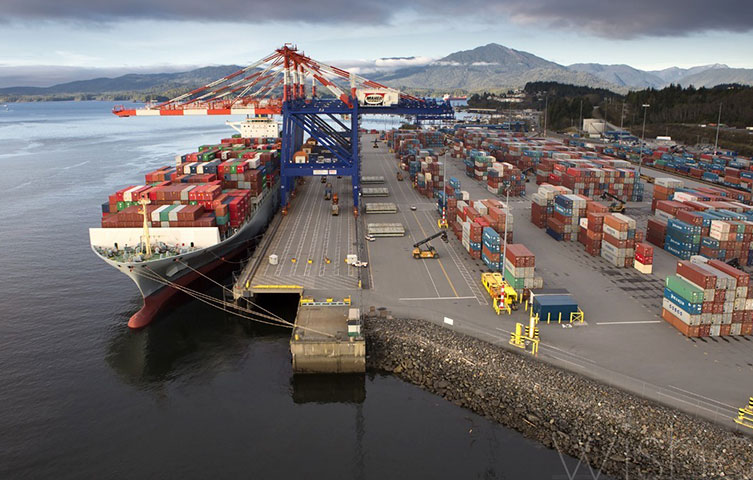
The maritime sector is a huge asset to the economy of Canada. Especially on the west coast of the country, where the ports of Vancouver and Prince Rupert lie, the maritime sector experiences significant importance. Understandably so, the Canadian government has made investments targeted at providing growth to the above-mentioned realm of trade. But, before diving into the government’s investments made to boost the maritime sector of the west coast, a brief account of the maritime sector itself can aid in painting a better picture of the Canadian government’s methodology and thought-process.
Our Stories
British Columbia Traces Back Step On Ban On Increased Oil Shipments
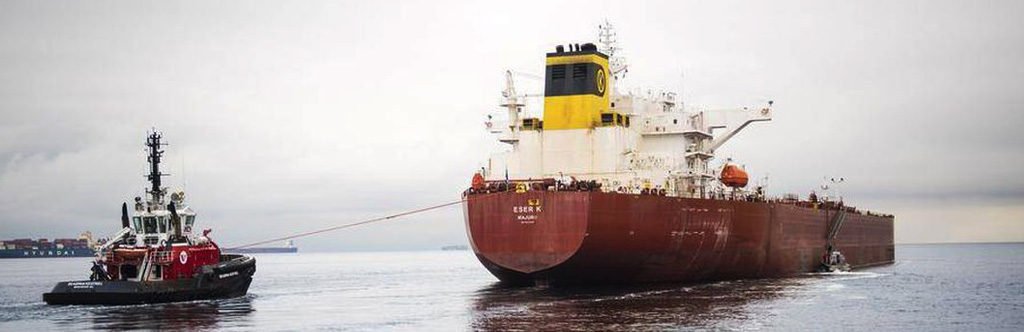
At the end of the month of January, British Columbia (B.C) had proposed new rules that would temporarily block an increase in crude oil shipments via the Pacific Coast Province, adding another blockade to the planned C$7.4 billion ($6 billion), Canada’s Trans Mountain pipeline expansion. British Columbia’s environment ministry had said that it is putting
Cargo, Terminals And The Port Of Vancouver
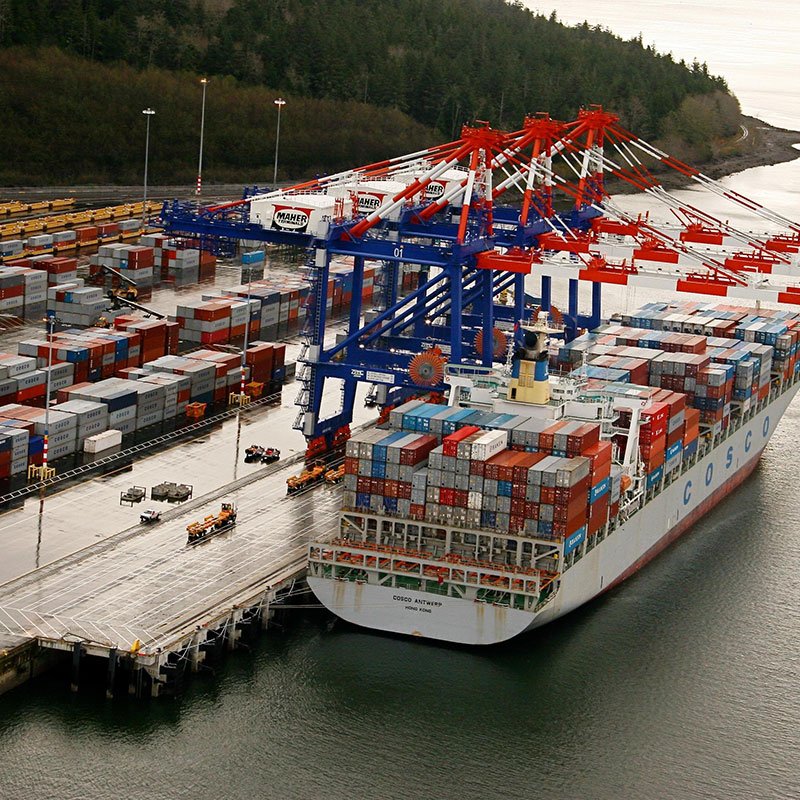
Unmatched Vehicle Transhipment "Unmatched Vehicle Transhipment" Port of Vancouver is the largest seaport in Canada which is well known for its huge contribution to the trade and investment of the Canadian west coast and British Columbia. The port has a full range of diverse services that help in expanding the trading business of the country.
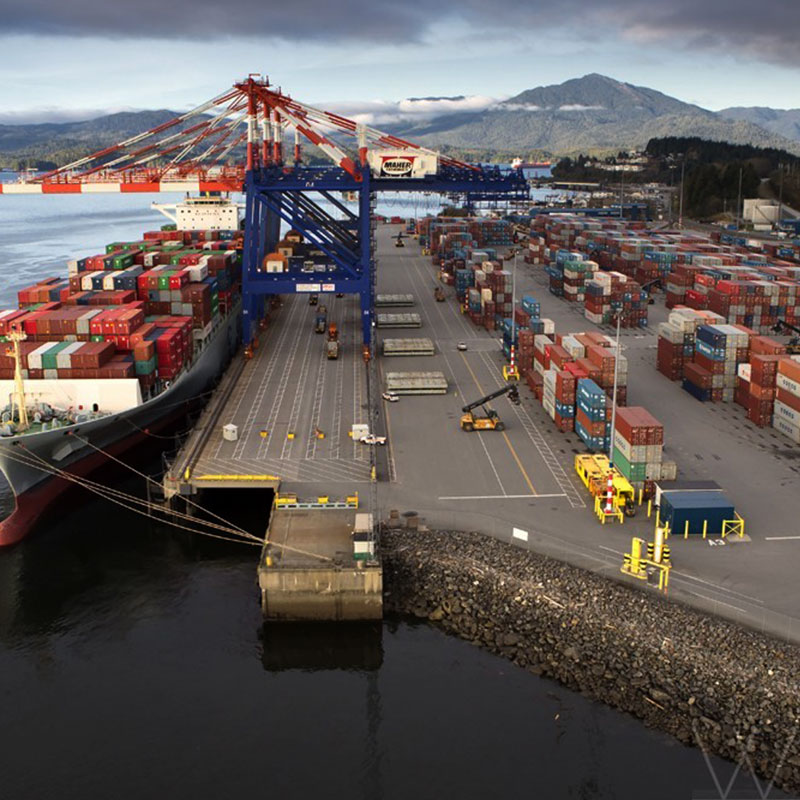
Investing In Marine Transportation On West Coast Canada And British Columbia
West Coast Canada Investing InMarine Transportation The British Columbia has an efficient transportation network. The country has invested more than $3.6 billion over three years which has resulted in great development and advantage to the country. The integrated airlines, marine ports and major roads of the country make quick connections possible for the country. The